

Number of Courses: One Live 2-Hour Class
Credit Awarded: 2 Hours
Credit Type: Basic/Advanced
Accredited: CAPCE (F5-VILT), CE Broker (FL & TN), Pennsylvania Bureau of EMS, and Virginia Office of EMS
Enrollment Period: One year or until completed, whichever comes first
Topics: Cardiac Resuscitation – Pediatric
This CE activity is accredited by the Commission on Accreditation for Pre-Hospital Continuing Education for a total of 2 EMT/Paramedic CEH.
Are you in need of a few hours to round out your recertification? This individual NCCP course will meet those needs and is offered several times a month with a varying schedule.
Want to see when classes are offered, click here DistanceCME Course Calendar
Topics covered in this Live NCCP L4
- Cardiac Resuscitation – Pediatric (2hr)
If you need more than a few hours, these bundles are perfect for your continuing education. You’ll complete your NCCR requirements and also gain access to our Anytime EMS CEU Package, offering over 100 on-demand learning modules with CEUs.
EMTs choose Live 20 Hour NCCP + Anytime
Paramedics/AEMTs choose Live 30 Hour NCCP + Anytime
Course Overview
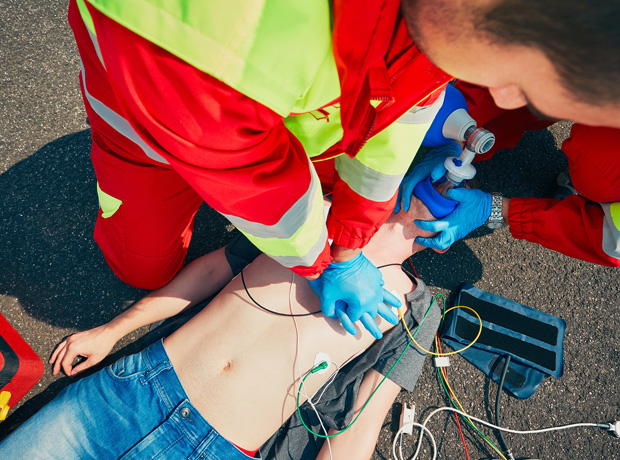
Pediatric out-of-hospital cardiac arrest is one of the most challenging emergencies encountered in prehospital medicine. Although these events occur far less frequently than adult cardiac arrests, they require rapid recognition, organized teamwork, and strict adherence to current evidence-based resuscitation guidelines. This course prepares EMS clinicians to confidently manage pediatric cardiac arrest by emphasizing high-quality resuscitation, effective airway management, coordinated team performance, and comprehensive post-resuscitation care based on current American Heart Association recommendations.
Understanding Pediatric Cardiac Arrest
Participants examine the epidemiology, common causes, and physiologic progression of pediatric out-of-hospital cardiac arrest. The course explains why pediatric arrests most commonly result from respiratory failure or shock rather than primary cardiac disease while reviewing the pediatric Chain of Survival, survival factors, bystander intervention, and opportunities to prevent progression to cardiac arrest through early recognition and treatment.
High-Quality Pediatric Resuscitation
Learners develop a systematic approach to pediatric cardiac arrest that emphasizes early recognition, effective bag-mask ventilation, high-quality chest compressions, rhythm recognition, appropriate defibrillation, vascular access, medication administration, end-tidal carbon dioxide monitoring, and coordinated advanced life support. Special emphasis is placed on minimizing interruptions in chest compressions, optimizing airway management, and maximizing chest compression fraction throughout the resuscitation.
Post-Resuscitation Care
The course reviews evidence-based management following return of spontaneous circulation (ROSC), including oxygenation, ventilation, blood pressure support, glucose management, temperature control, neurologic assessment, and identification of reversible causes using the H’s and T’s. Participants learn how careful post-cardiac arrest management influences neurologic recovery and long-term survival.
Team-Based Code Management
Successful pediatric resuscitation depends on effective leadership and communication. Participants explore team-based code management, role assignments, phased resuscitation, coordinated decision-making, and strategies for improving efficiency during high-acuity, low-frequency events. The course emphasizes organized teamwork as a critical factor in improving patient outcomes.
Pediatric Airway Considerations
Because respiratory compromise is the leading cause of pediatric cardiac arrest, learners review the unique anatomy of the pediatric airway, proper positioning techniques, bag-mask ventilation, advanced airway management, and age-specific airway differences that influence assessment and treatment. Understanding these anatomical considerations helps providers anticipate airway challenges and deliver effective ventilation throughout resuscitation.
Quality Improvement & Provider Readiness
The course concludes by emphasizing continuous quality improvement, structured debriefing, provider wellness, community CPR education, and maintaining confidence through ongoing training. Participants learn how quality assurance initiatives, public education, and consistent adherence to evidence-based guidelines contribute to improved survival from pediatric cardiac arrest.
Who Should Take This Course?
This course is designed for EMTs, AEMTs, and Paramedics seeking to strengthen their ability to manage pediatric out-of-hospital cardiac arrest. It is particularly valuable for providers who want to improve pediatric airway management, high-quality resuscitation skills, team leadership, post-cardiac arrest care, and overall confidence when responding to one of EMS’s most demanding clinical emergencies.