

Number of Courses: One Live 2-Hour Class
Credit Awarded: 2 Hours
Credit Type: Basic/Advanced
Accredited: CAPCE (F5-VILT), CE Broker (FL & TN), Pennsylvania Bureau of EMS, and Virginia Office of EMS
Enrollment Period: One year or until completed, whichever comes first
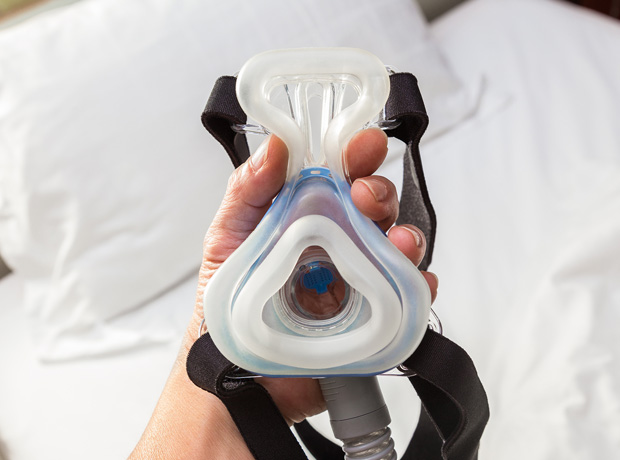
Topics: Basic Airway Management, CPAP/BiPAP
This CE activity is accredited by the Commission on Accreditation for Pre-Hospital Continuing Education for a total of 2 EMT/Paramedic CEH.
Are you in need of a few hours to round out your recertification? This individual NCCP course will meet those needs and is offered several times a month with a varying schedule.
Want to see when classes are offered, click here DistanceCME Course Calendar
Topics covered in this Live NCCP L2
- Basic Airway Management, CPAP/BiPAP (2hr)
If you need more than a few hours, these bundles are perfect for your continuing education. You’ll complete your NCCR requirements and also gain access to our Anytime EMS CEU Package, offering over 100 on-demand learning modules with CEUs.
EMTs choose: Live 20 Hour NCCP + Anytime
Paramedics/AEMTs choose: Live 30 Hour NCCP + Anytime
Course Overview
Effective airway management begins with rapid assessment, sound clinical judgment, and the ability to recognize when a patient requires escalating respiratory support. This comprehensive course reviews the principles of basic airway management before progressing into oxygen delivery systems, positive pressure ventilation, Continuous Positive Airway Pressure (CPAP), and Bilevel Positive Airway Pressure (BiPAP). Participants will gain a deeper understanding of respiratory physiology, airway emergencies, and evidence-based approaches to improving oxygenation and ventilation while reducing the need for invasive airway management.
Airway Assessment & Respiratory Evaluation
Participants learn a structured approach to identifying respiratory compromise through doorway assessment, physical examination, lung sound interpretation, mental status evaluation, pulse oximetry, and capnography. The course emphasizes recognizing early respiratory distress, differentiating oxygenation from ventilation failure, and integrating objective monitoring with clinical findings to guide treatment decisions.
Basic Airway Management
The course reviews fundamental airway management techniques including patient positioning, head-tilt/chin-lift, jaw-thrust, suctioning, airway clearance, bronchodilator therapy, and the airway management continuum. Learners develop an understanding of when simple interventions are sufficient and when escalation to more advanced respiratory support is indicated.
Recognition of Airway Emergencies
Common airway emergencies are explored in detail, including foreign body airway obstruction, laryngospasm, acute pulmonary edema, asthma, emphysema, chronic bronchitis, and chronic obstructive pulmonary disease. Participants examine the underlying pathophysiology of each condition and learn to differentiate airway obstruction, bronchospasm, alveolar collapse, and ventilatory failure in order to select appropriate interventions.
Positive Pressure Ventilation
Participants review the mechanics of bag-valve-mask ventilation, proper ventilation techniques, capnography interpretation, ventilation monitoring, common complications, and strategies to minimize barotrauma and hemodynamic compromise. The course reinforces the importance of proper positioning, mask seal, tidal volume, ventilation rate, and continuous reassessment during positive pressure ventilation.
CPAP & BiPAP
A comprehensive review of noninvasive positive pressure ventilation examines the physiology of Positive End Expiratory Pressure (PEEP), alveolar recruitment, functional residual capacity, and the hemodynamic effects of positive pressure. Participants learn the indications, contraindications, benefits, limitations, and patient selection criteria for both CPAP and BiPAP while comparing their roles in treating pulmonary edema, COPD exacerbations, asthma, and other causes of respiratory failure.
Oxygen Delivery & Respiratory Support
The course concludes with an overview of oxygen delivery devices, including nasal cannulas, Venturi masks, nonrebreather masks, and nebulized medication delivery. Learners compare each device’s capabilities, understand oxygen concentration targets, and determine when escalation to positive pressure ventilation is clinically appropriate.
Who Should Take This Course?
This course is designed for EMTs, AEMTs, and Paramedics seeking to strengthen their knowledge of airway assessment, respiratory emergencies, oxygen therapy, and noninvasive positive pressure ventilation. It provides practical, evidence-based guidance that prepares EMS clinicians to recognize respiratory compromise early and confidently manage patients using modern airway management techniques.